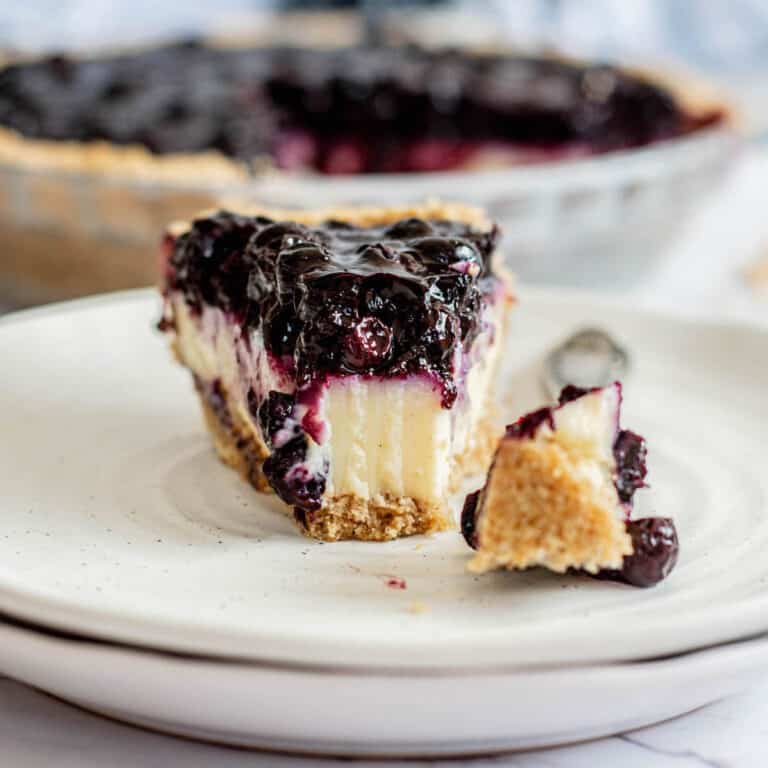

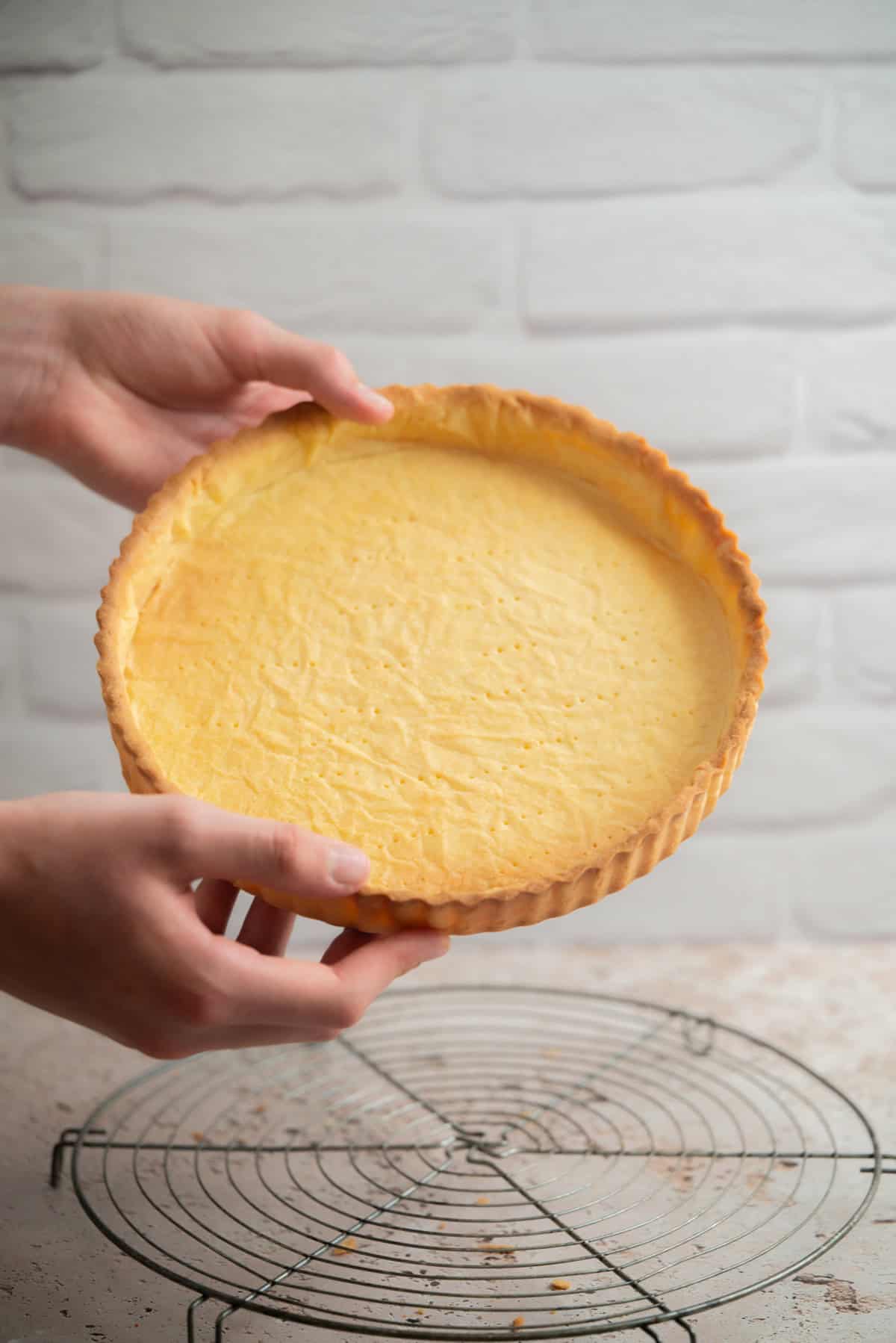

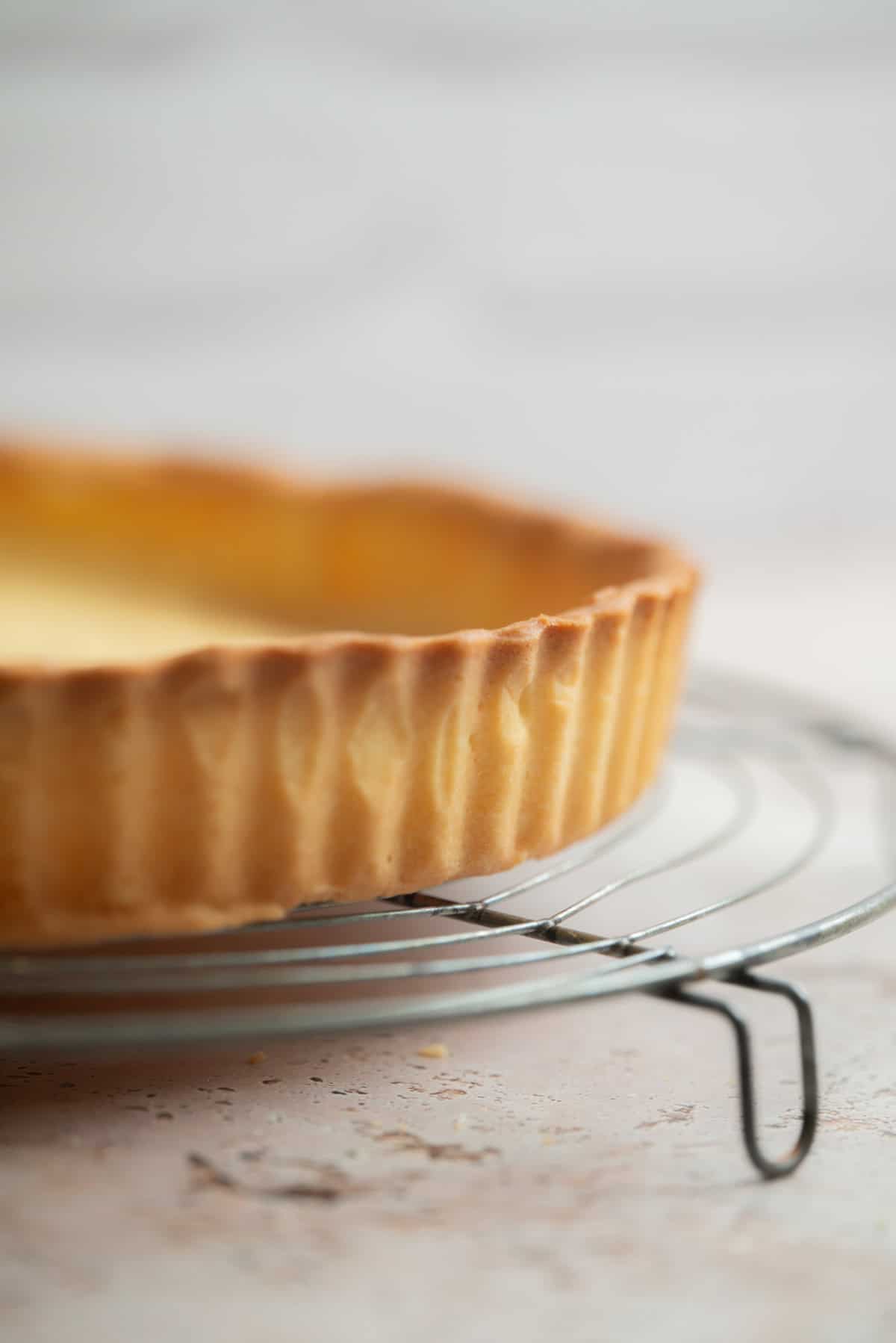
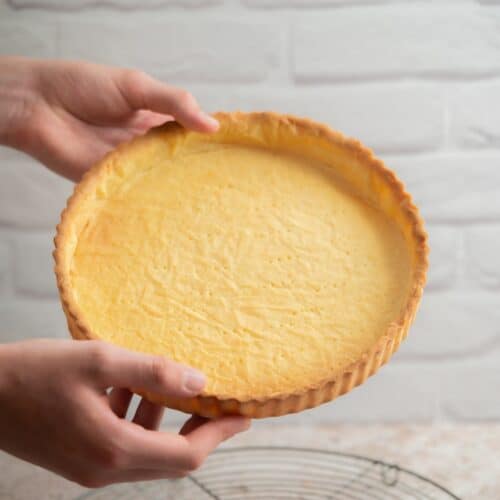
Pâte sucrée is a classic French sweet tart dough. It is known for its crisp texture and clean structure once it comes out of the oven, and unlike more delicate tart doughs, it holds its shape really well and slices beautifully, even straight from the fridge. This makes it a great choice for soft or chilled fillings where the pastry needs to add some support.
About this recipe
This pâte sucrée is made with just five ingredients: flour, powdered sugar, butter, egg, and salt. It is the base for a lot of French tart crusts, and it is one of my favorite pastry recipes to have in my back pocket because it is so reliable and versatile. I use it as the shell for my chocolate orange ganache tart, where the crisp, buttery pastry contrasts soo well with a silky ganache filling.
The thing that makes pâte sucrée different from other French tart doughs is the mixing method. The butter and sugar are creamed together first to form a smooth base, then the egg and flour are added. It has enough structure to hold delicate fillings without crumbling which makes it perfect for recipes that have very fillings like curds or ganache.
There are two resting times built into the recipe, and I know it can be tempting to skip them, but please don’t. The dough chills before rolling, and again after it’s been pressed into the tart pan. Both of the rests give the gluten time to relax and that means less shrinkage when it’s being baked.
If you have come across pâte sablée, you will see that the ingredients are almost identical. The difference is in how the butter is incorporated. In sablée, the butter is cold and rubbed into the flour before the egg is added, which gives the finished pastry a more crumbly and shortbready texture.
What you need
Step-by-step
- Add the powdered sugar and butter to a bowl.
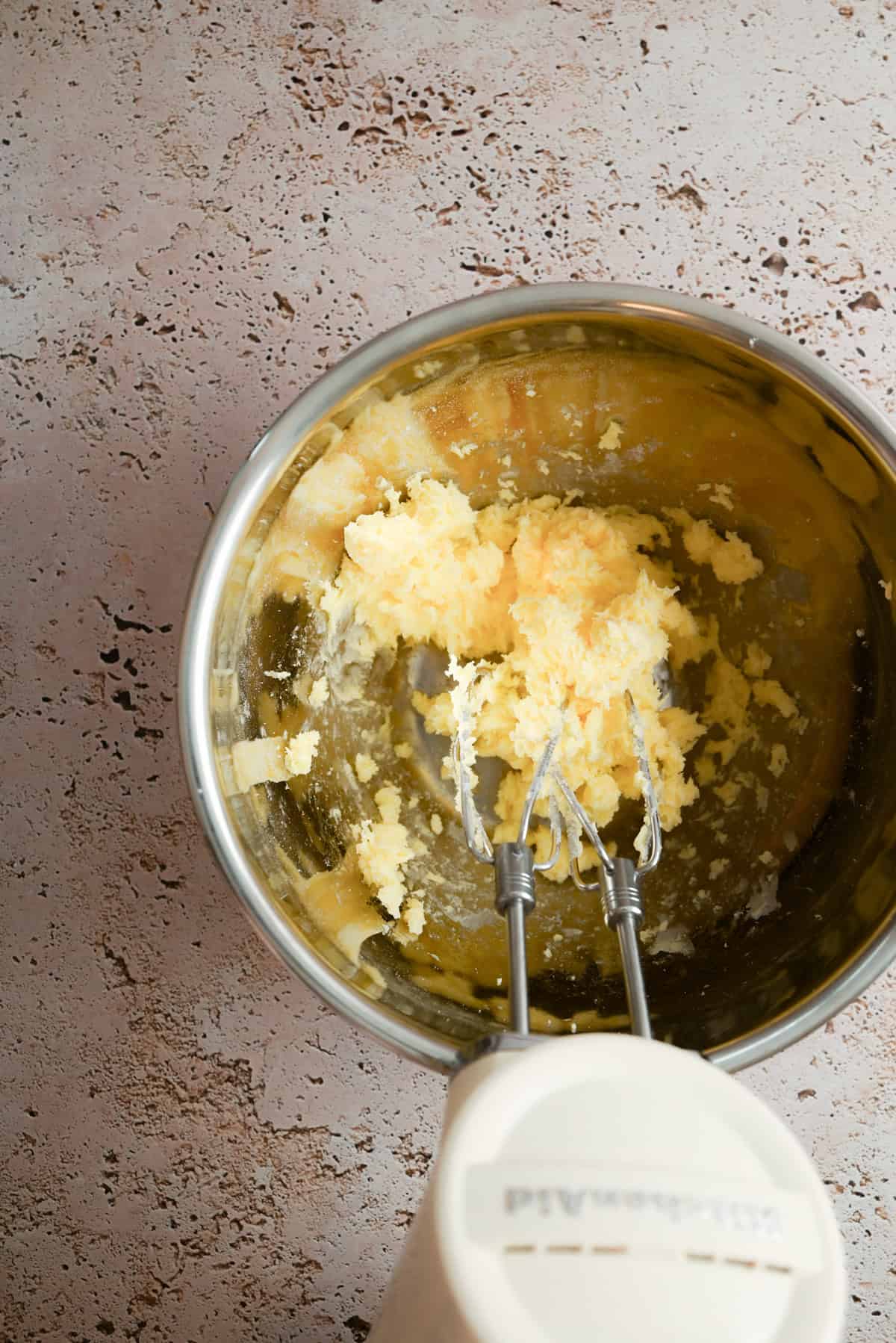
- Cream the butter and sugar together until a nice cohesive mixture, but not aerated.
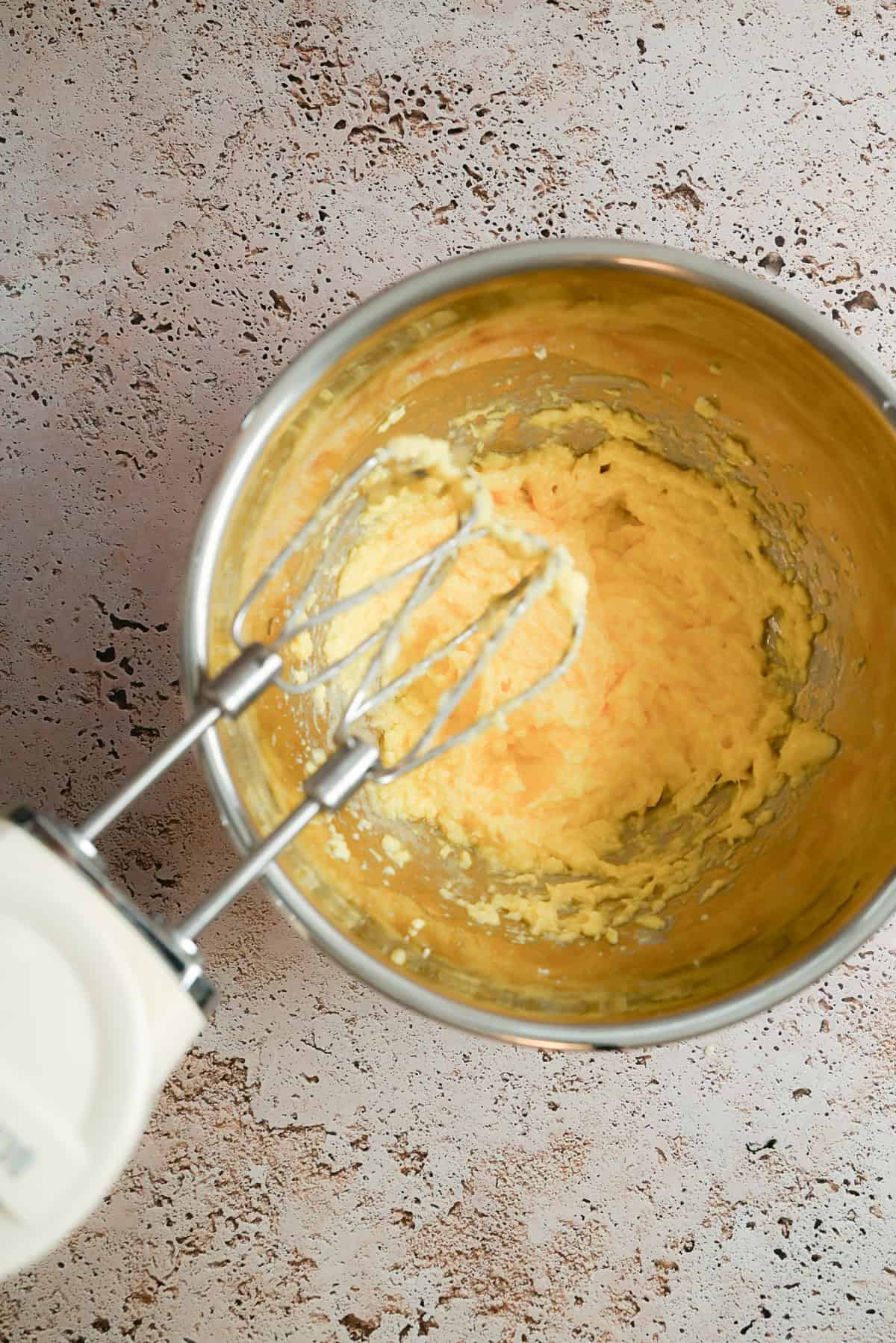
- Beat in the egg until combined and emulsified.
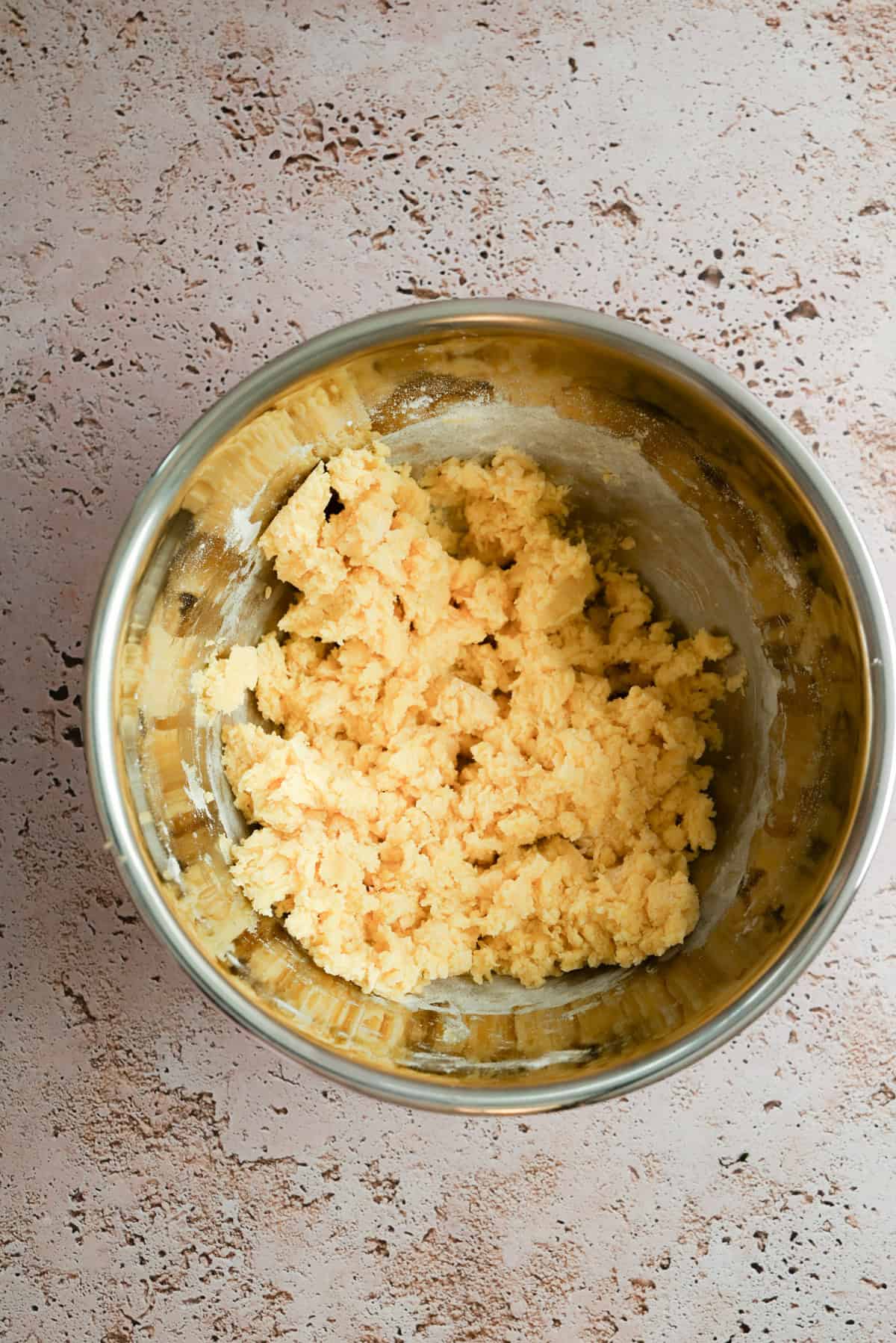
- Add in the flour and salt and mix into a soft dough.
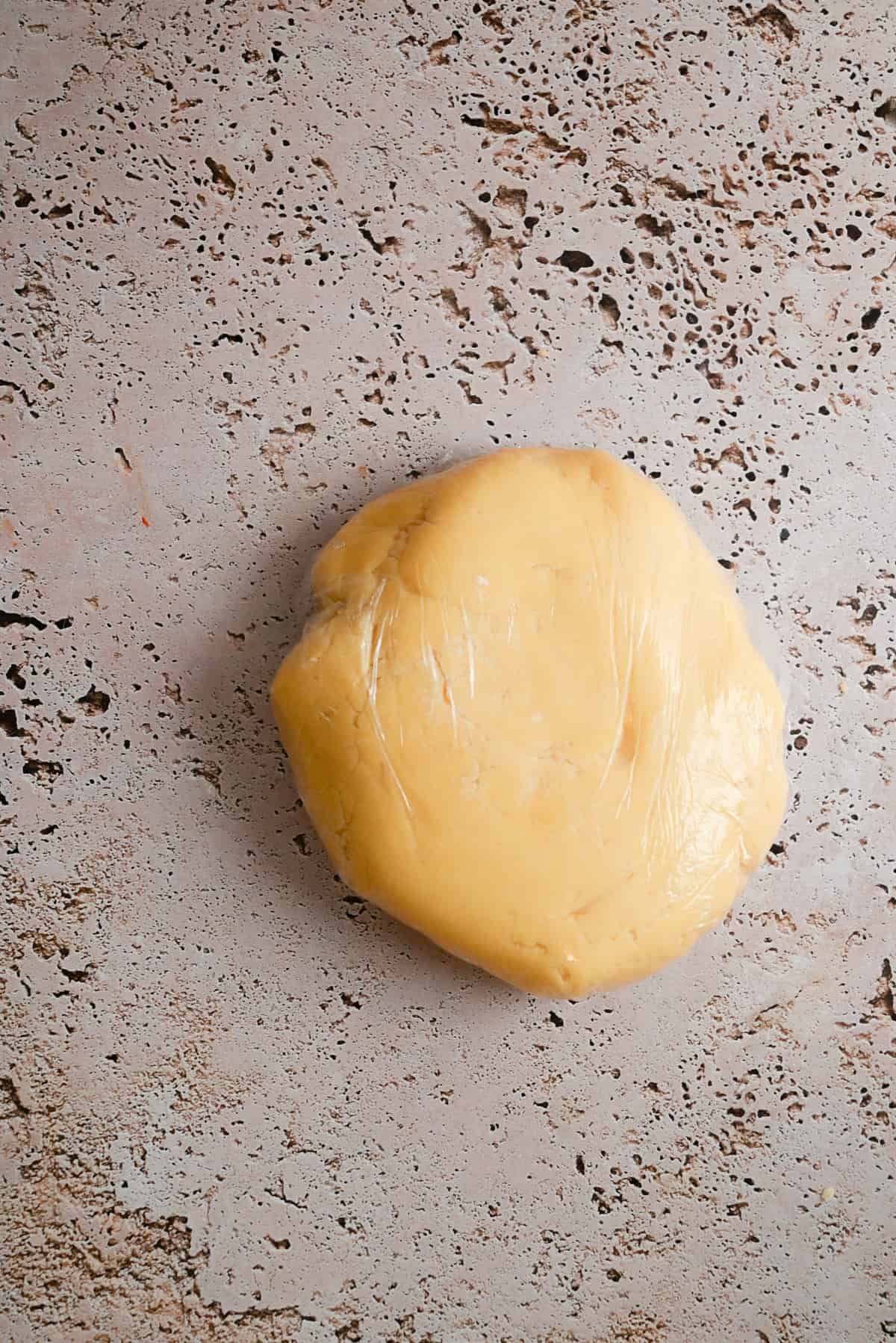
- Shape into a ball and wrap tightly, then refrigerate.
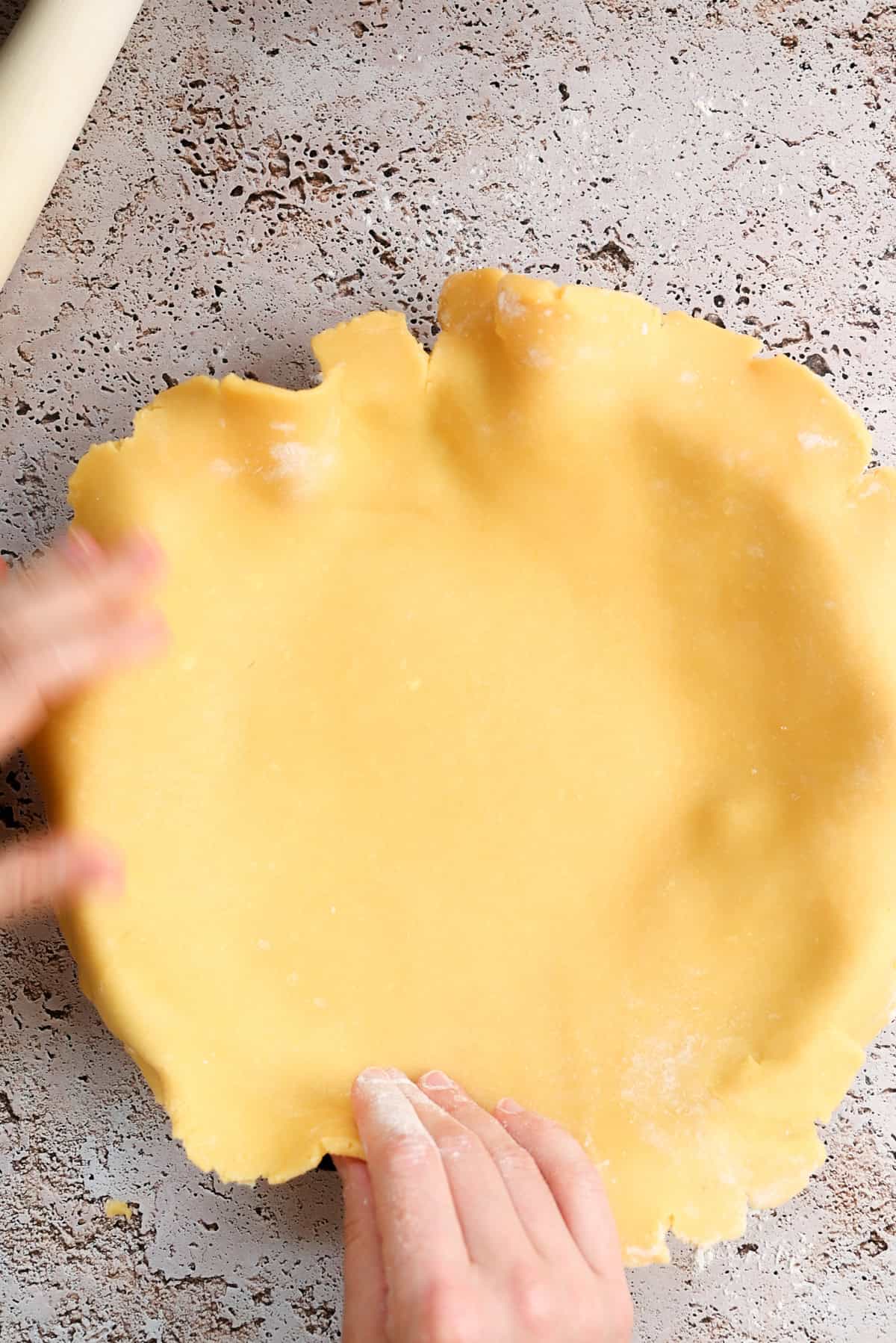
- Once chilled, roll the dough 3 to 4 mm thick, fit it into a 9 or 10- inch tart pan.
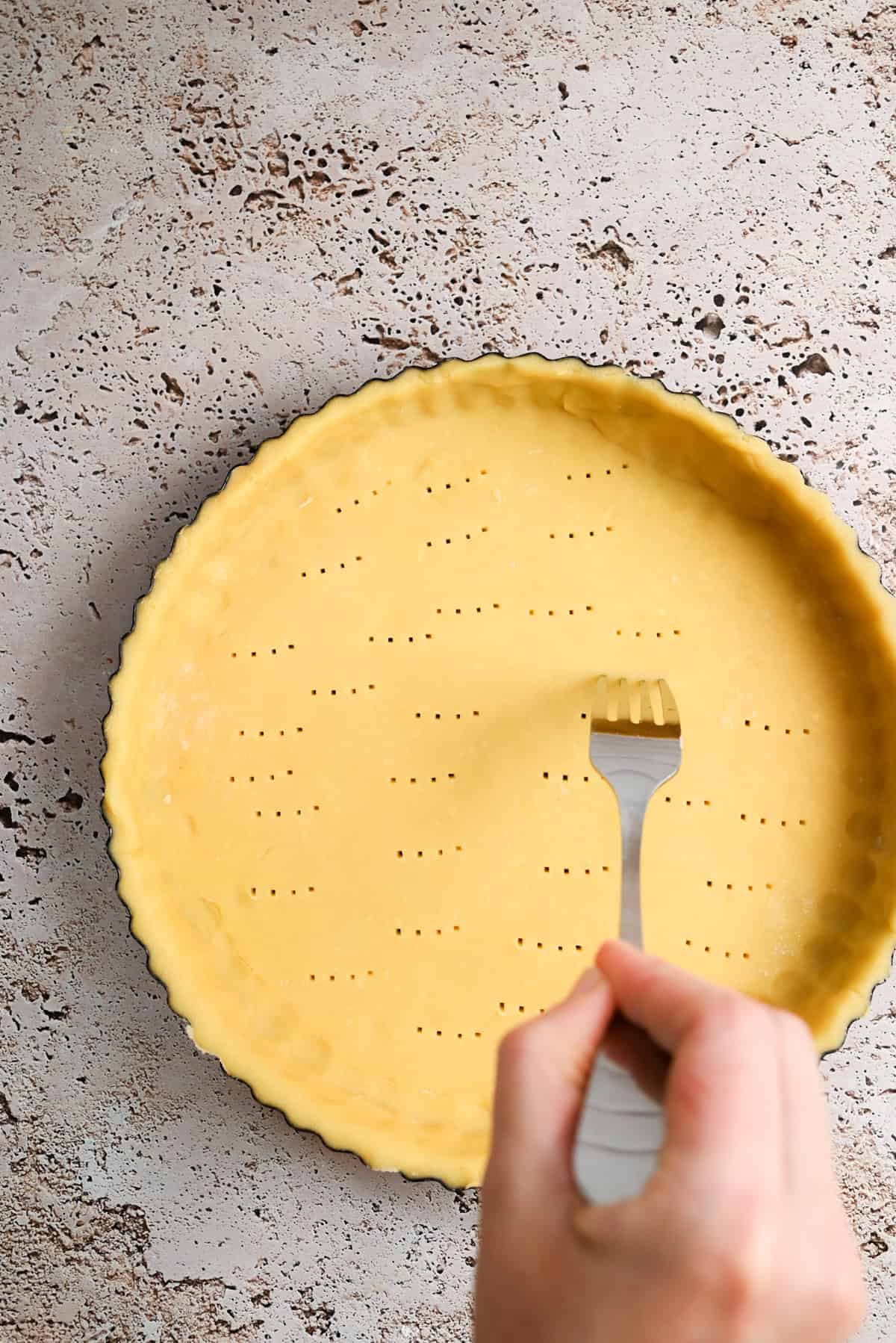
- Trim the edges and dock the base with a fork. Chill it in the fridge for 20 minutes.
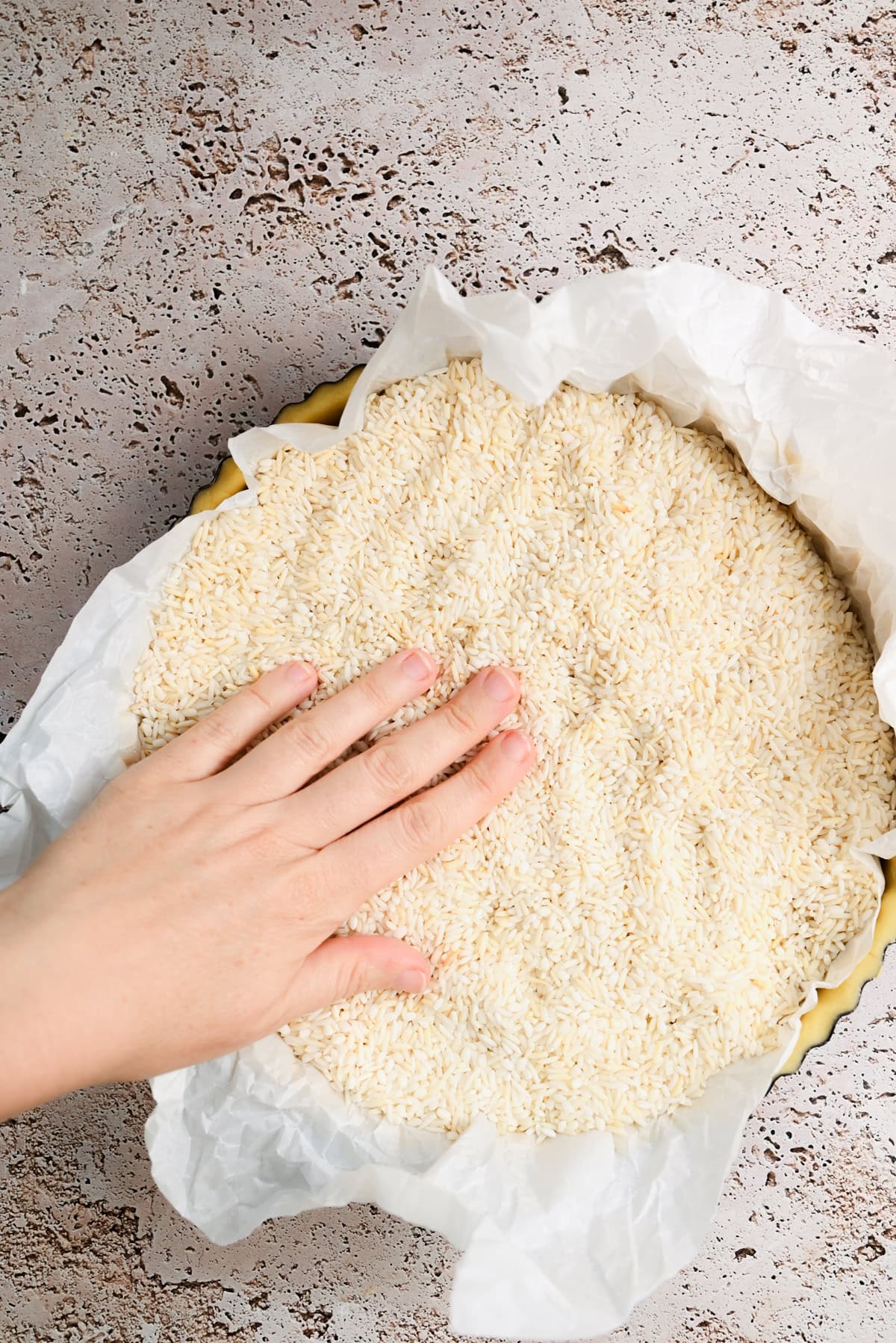
- Line the base with parchment paper and baking weights and blind bake.
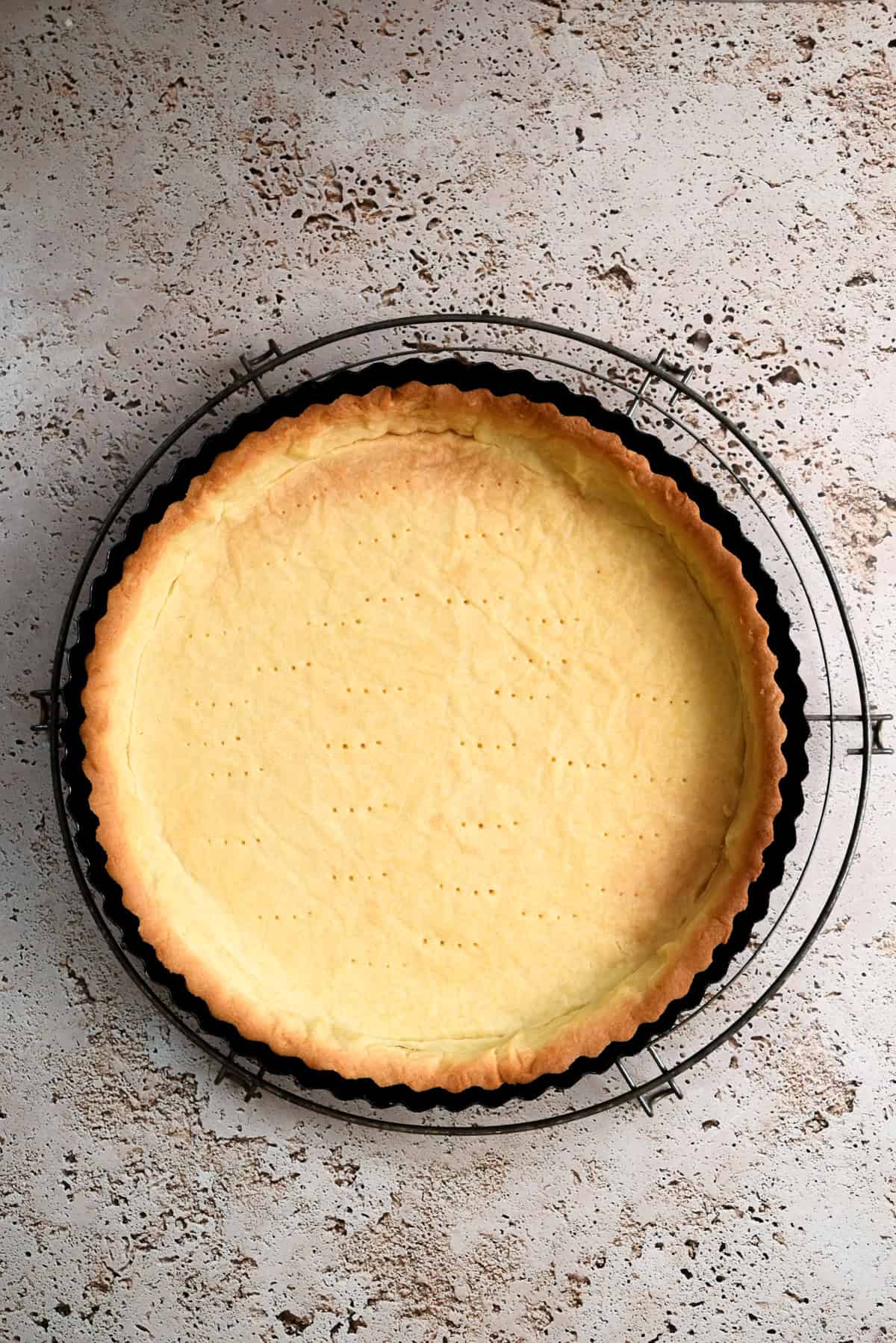
- Remove the weights and continue baking til golden.
Pâte sucrée in a food processor
You can make pâte sucrée in a food processor, too. Add the butter and powdered sugar to the bowl and pulse until smooth and evenly combined. Then, add the egg and pulse until the mixture looks fully emulsified. Add the flour and salt and pulse just until the dough begins to clump together. Tip the dough out, bring it together gently, and chill as usual.

Freezing pâte sucrée dough
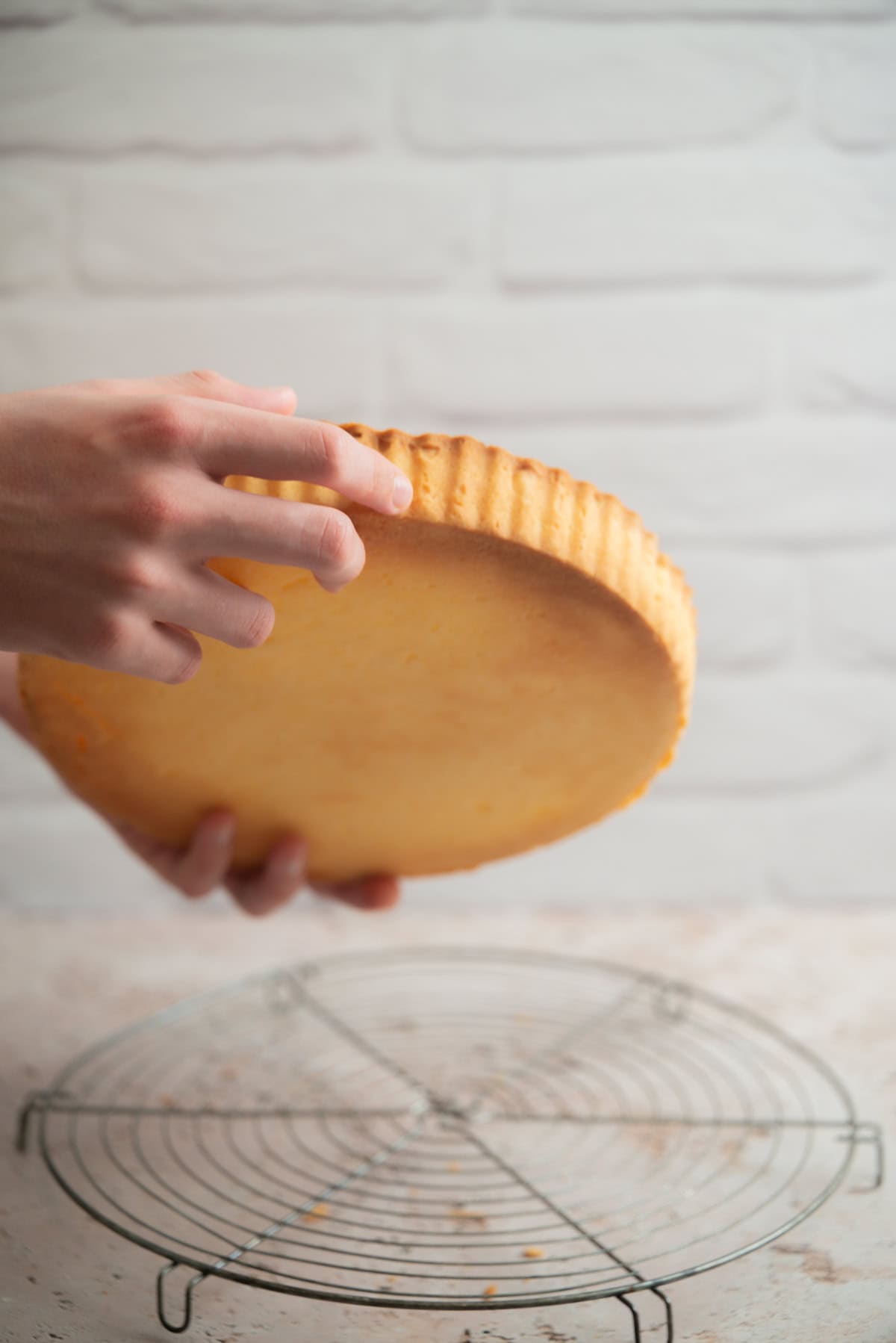
Wrap the dough tightly and freeze for up to 3 months. Thaw overnight in the fridge, then let it sit at room temperature for a few minutes so it’s pliable before rolling.
Freezing a baked shell
A fully baked pâte sucrée shell freezes very well too. Here’s how:
- Bake the shell completely and let it cool fully
- Leave it in the tart pan if it’s delicate
- Wrap tightly in plastic wrap, then add a second layer of foil
- Freeze flat for up to 1 month.
To use, unwrap while still frozen to prevent condensation, then thaw at room temperature. If needed, refresh the shell in a low oven until crisp and let it cool before filling.

FAQs about pâte sucrée
Uses
- Baked custard fillings like vanilla or coffee custard
- Chocolate ganache tarts
- Lemon curd tarts
- Pastry cream based tarts like a classic fruit tart
Pâte Sucrée Tart Dough
Ingredients
- 100 g unsalted butter soft but not greasy
- 90 g powdered sugar
- 1 large egg
- 220 g all purpose flour
- 1/4 tsp salt
Instructions
Make the dough
- Add the butter and powdered sugar to a bowl and cream with an electric mixer or by hand until smooth and evenly combined. You don't want to whip it until airy, just to bring it together into a smooth base. 100 g unsalted butter, 90 g powdered sugar
- Beat in the egg until fully combined and emulsified. 1 large egg
- Add the flour and salt and mix just until the dough comes together. 220 g all purpose flour, 1/4 tsp salt
- Tip the dough onto the bench, bring it together gently, and shape into a disc. Wrap and chill for at least 30 minutes.
Pre baking the pastry
- Pre baking is recommended for chilled or no bake fillings.
- Heat the oven to 340°F (170°C).
- Take the dough out of the fridge and let it sit for 5 to 10 minutes. It should still feel cold, but not rock hard. If it cracks immediately when you try to roll, it is too cold.
- Roll the dough on a lightly floured bench or between two sheets of parchment to an even thickness of about 3 to 4 mm. Roll it a few inches wider than a 9 or 10 inch tart pan.
- Loosely roll the dough around the rolling pin, then unroll it over the ungreased tart pan. Gently lift the dough at the edges and let it fall into the base and corners. Use your fingertips to press the dough into the sides of the pan, working your way around. Patch any cracks with excess dough.
- Press the dough firmly into the angle between the base and the sides. This helps the shell keep its shape during baking. Roll the rolling pin over the top of the pan or trim with a sharp knife.
- Dock the base with a fork, and chill the lined pan for 20 to 30 minutes.
- Line the shell with parchment paper and fill with pie weights.
- Bake for 20 minutes, until the edges look set. Remove the weights and parchment and return to the oven for 15-20 minutes, until the base is dry and lightly golden. Cool completely before filling.