

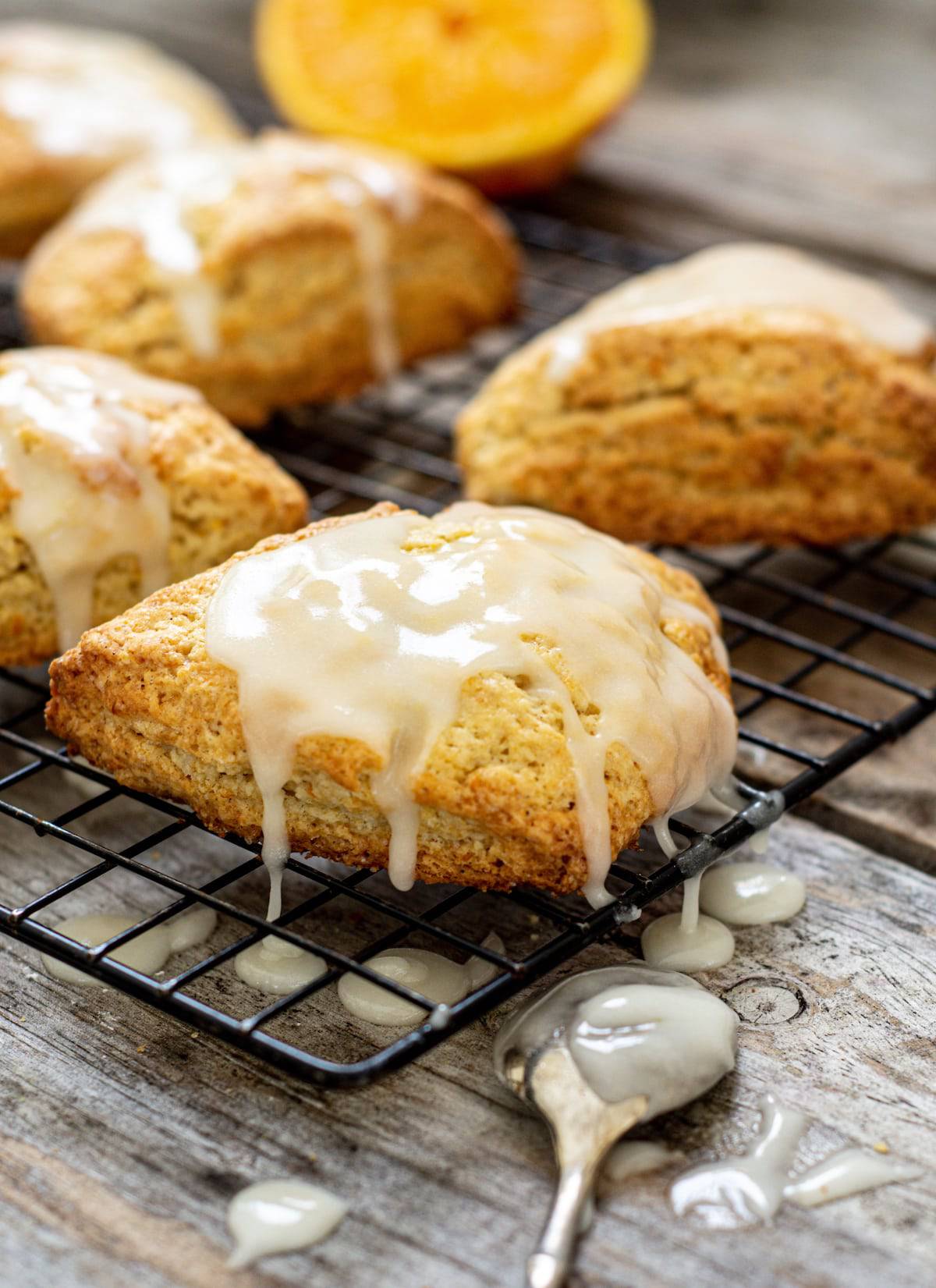

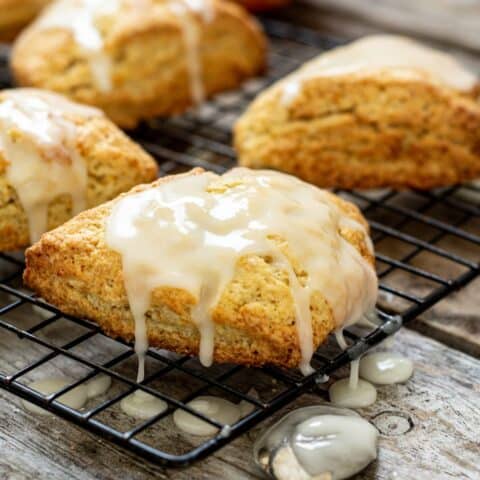
Flaky, buttery, and scented with fresh orange zest and warm cardamom, these homemade scones are everything a good American-style scone should be. A sweet orange glaze on top ties it all together.
About this scone recipe
These orange cardamom scones are American-style scones, which are quite different from English ones. English scones are usually plain and served with butter, jam, and cream, but American scones are sweeter, richer, and flakier, and they’re usually eaten on their own.
This is a simple buttermilk scone dough, with the addition of fresh orange zest, a touch of cardamom, and a sweet orange glaze. The base recipe is very forgiving and easy to adapt once you get comfortable with it. You could swap the orange for lemon, skip the cardamom, or add dried fruit if you like.
What makes these scones flaky is the cold butter. Small pieces of butter get coated in flour, and when they hit the hot oven, the water in the butter evaporates and creates little pockets of lift. That’s why it’s so important to keep the butter cold throughout and handle the dough as little as possible. The result is a scone that’s soft and tender on the inside with a slightly crumbly exterior.
Some key ingredients and why
- All-purpose flour. A lower-protein flour makes for a lighter, more tender scone. All-purpose works well here. You could also use cake flour for an even softer result.
- Buttermilk. The acidity in buttermilk reacts with the baking powder for extra lift, and it also creates a more tender crumb than regular milk. If you don’t have buttermilk, you can make a quick substitute by adding 1 tablespoon of lemon juice or white vinegar to regular milk and letting it sit for 5 minutes.
- Cold unsalted butter. This is the key to flaky scones. The butter must stay cold so it doesn’t melt into the flour before baking. Chop it into small cubes or grate it with a box grater, then cut it into the dry ingredients with a pastry cutter. You want pea-sized pieces coated in flour.
- Orange zest. Rubbed into the sugar before mixing to release the orange oils. This distributes the flavor much more evenly than just tossing the zest in.
- Ground cardamom. Just half a teaspoon adds a warm, slightly floral note that pairs beautifully with the orange. It’s subtle but it makes the scones feel a little special.
- Egg. Helps bind the scone dough and adds structure so the scones hold their shape.
Method
- Zest an orange and add to a bowl along with sugar.
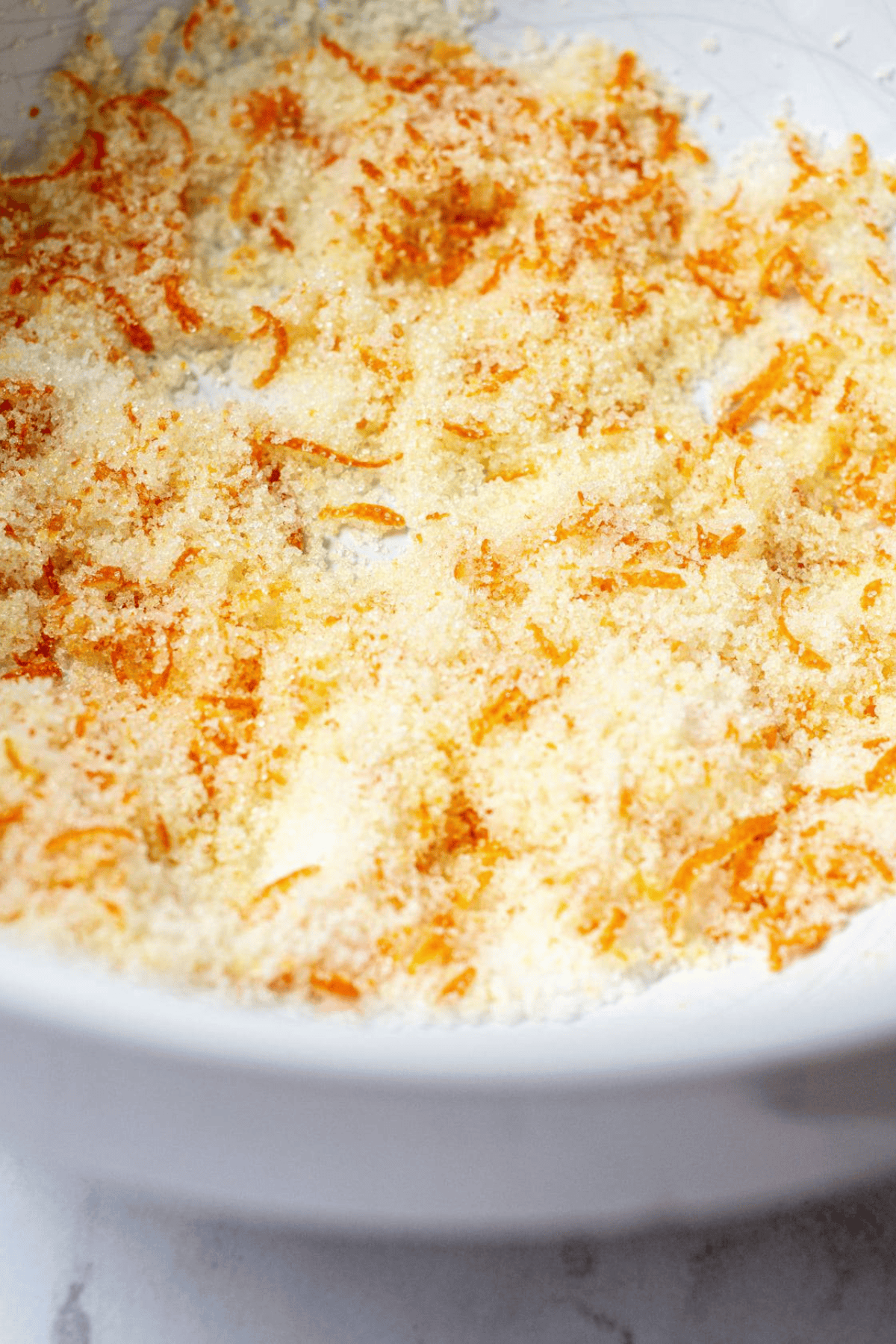
- Rub the orange zest into the sugar to release the oils.
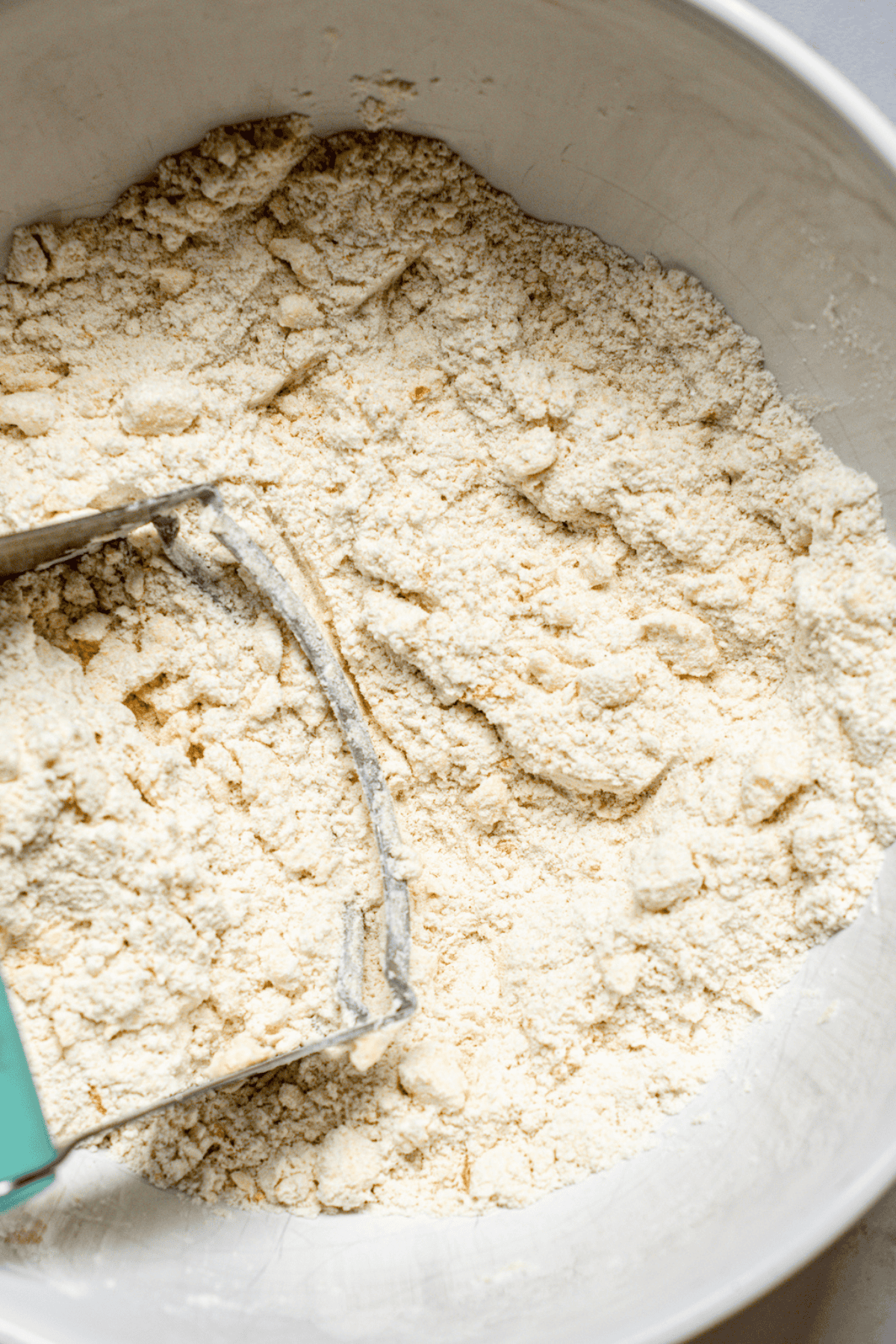
- Add in the dry ingredients and cold butter and cut the butter into the flour with a pastry cutter.
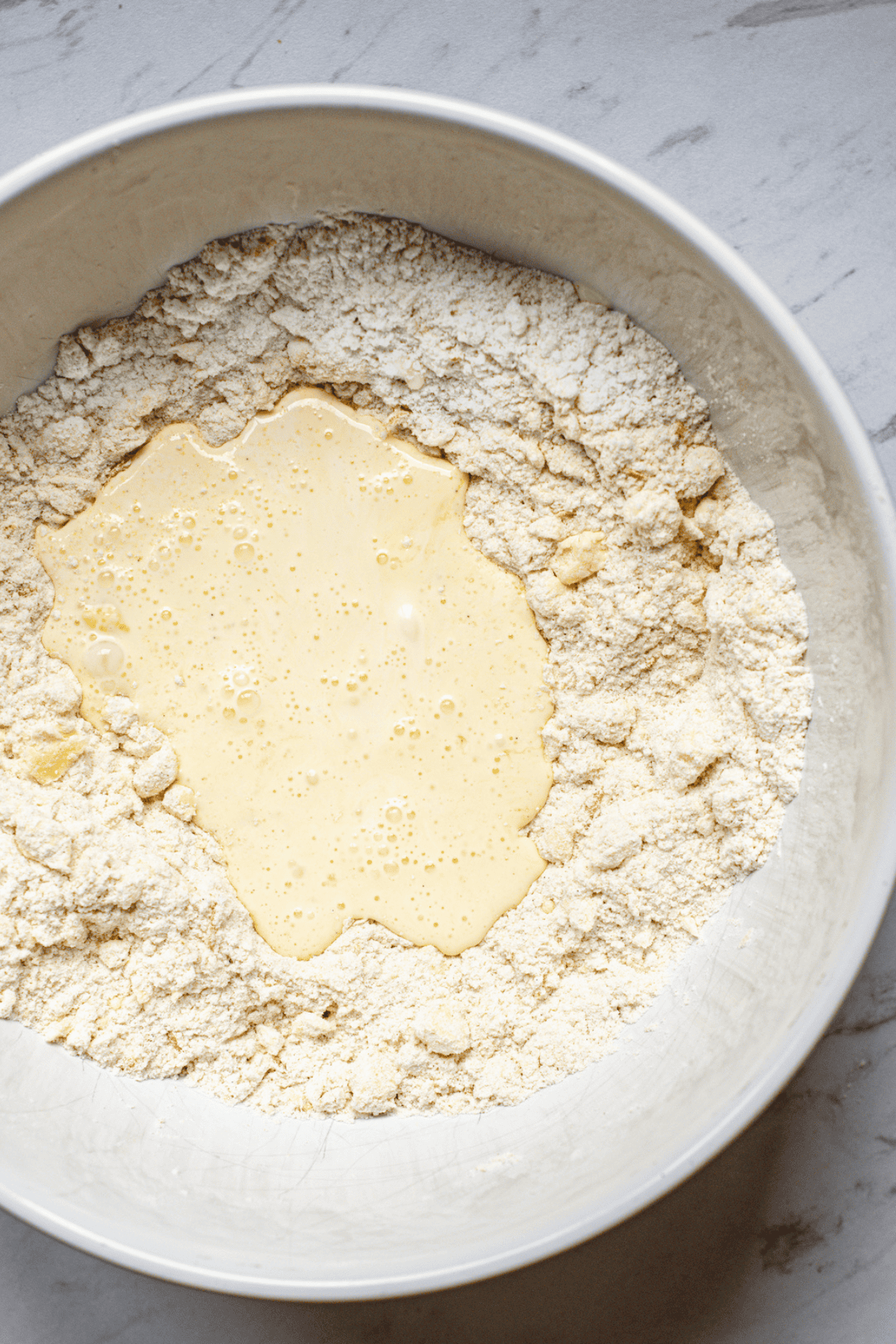
- Add in the wet ingredients and gently combine. The dough will be slightly sticky and a little crumbly, and that’s exactly what you want.
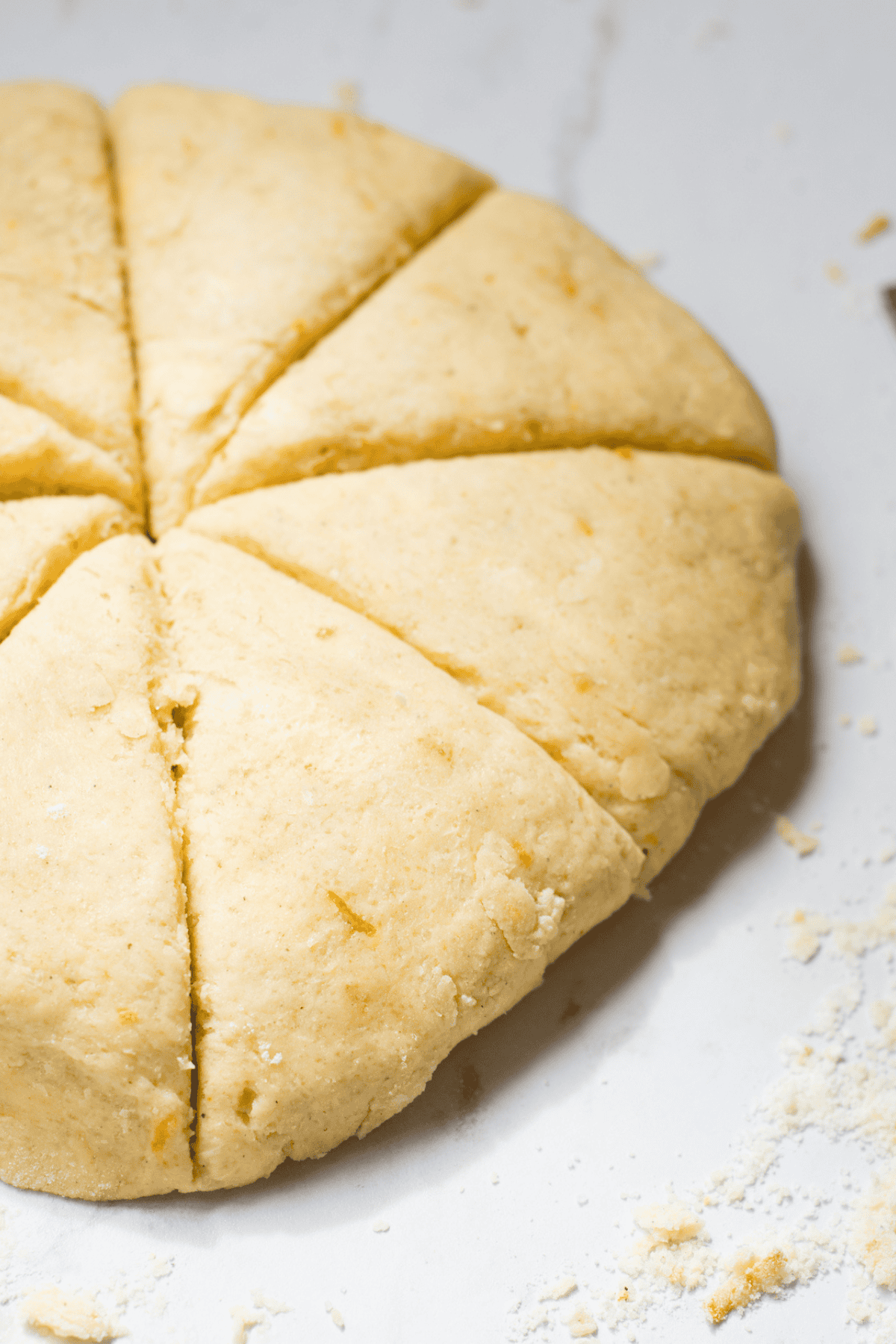
- Tip it onto a lightly floured surface, folded over once or twice to bring it together, then gently pressed into an 8-inch/20 cm disc and cut into 8 pieces.
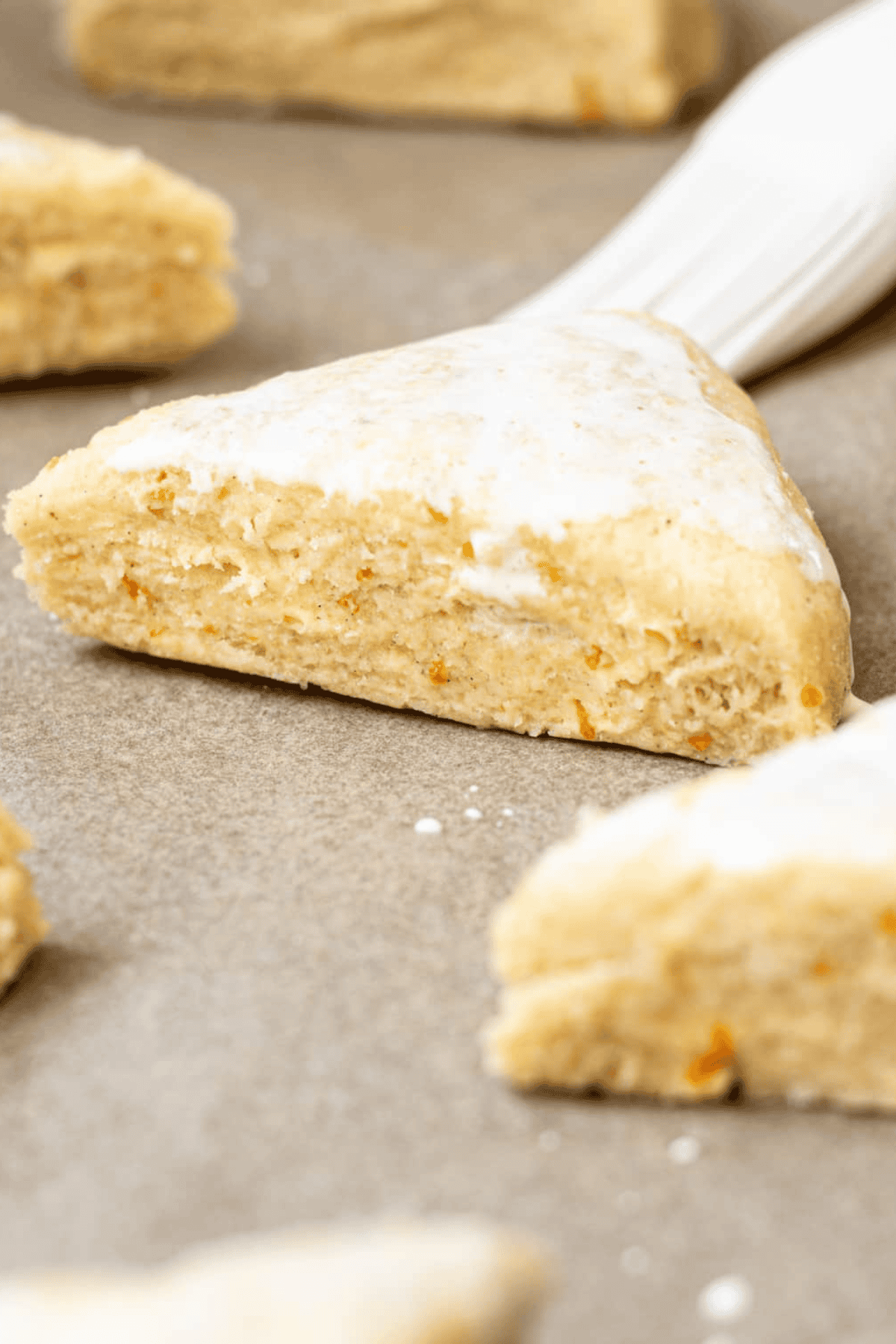
- Brush with buttermilk, sprinkle with sugar, and bake until puffed and golden.
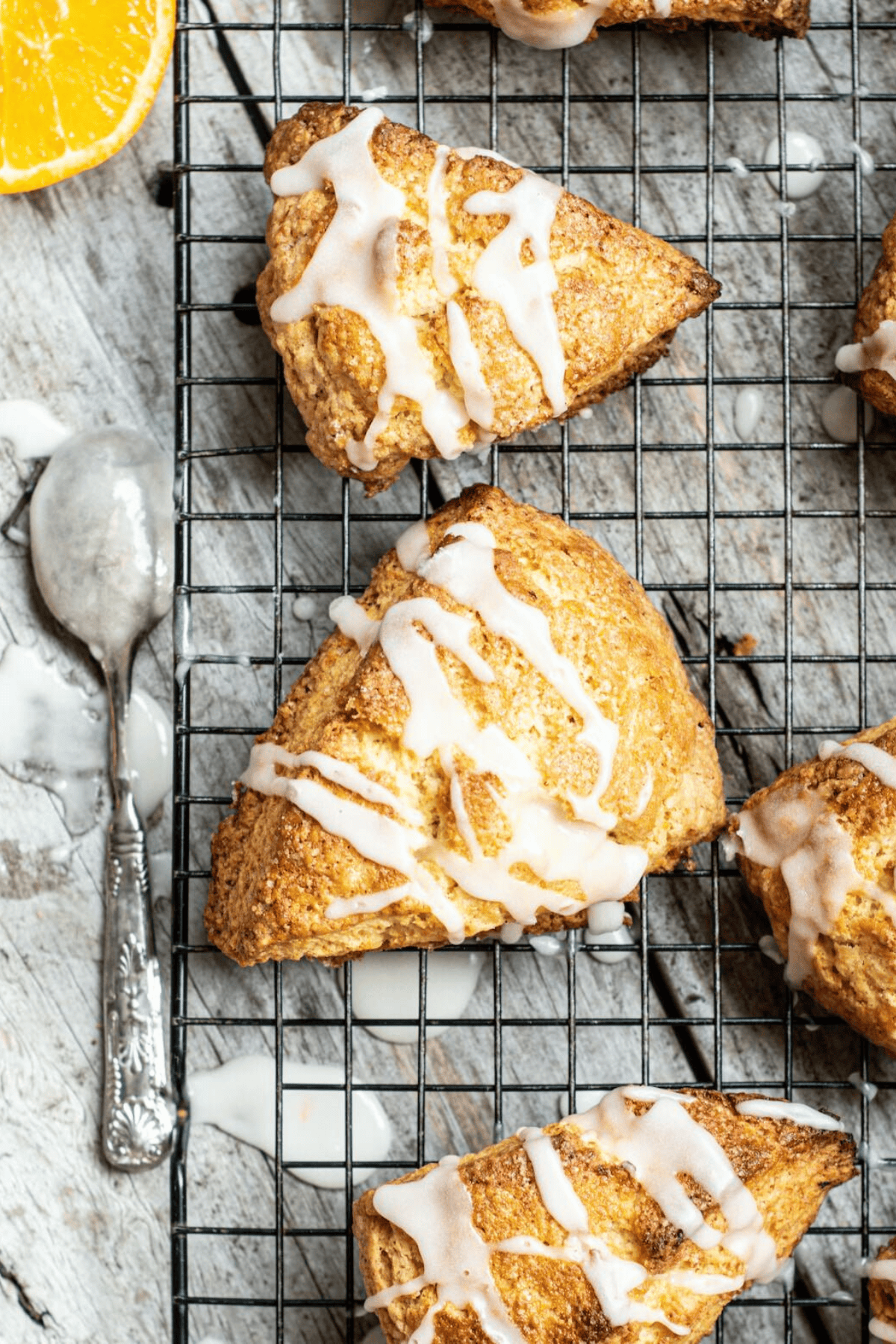
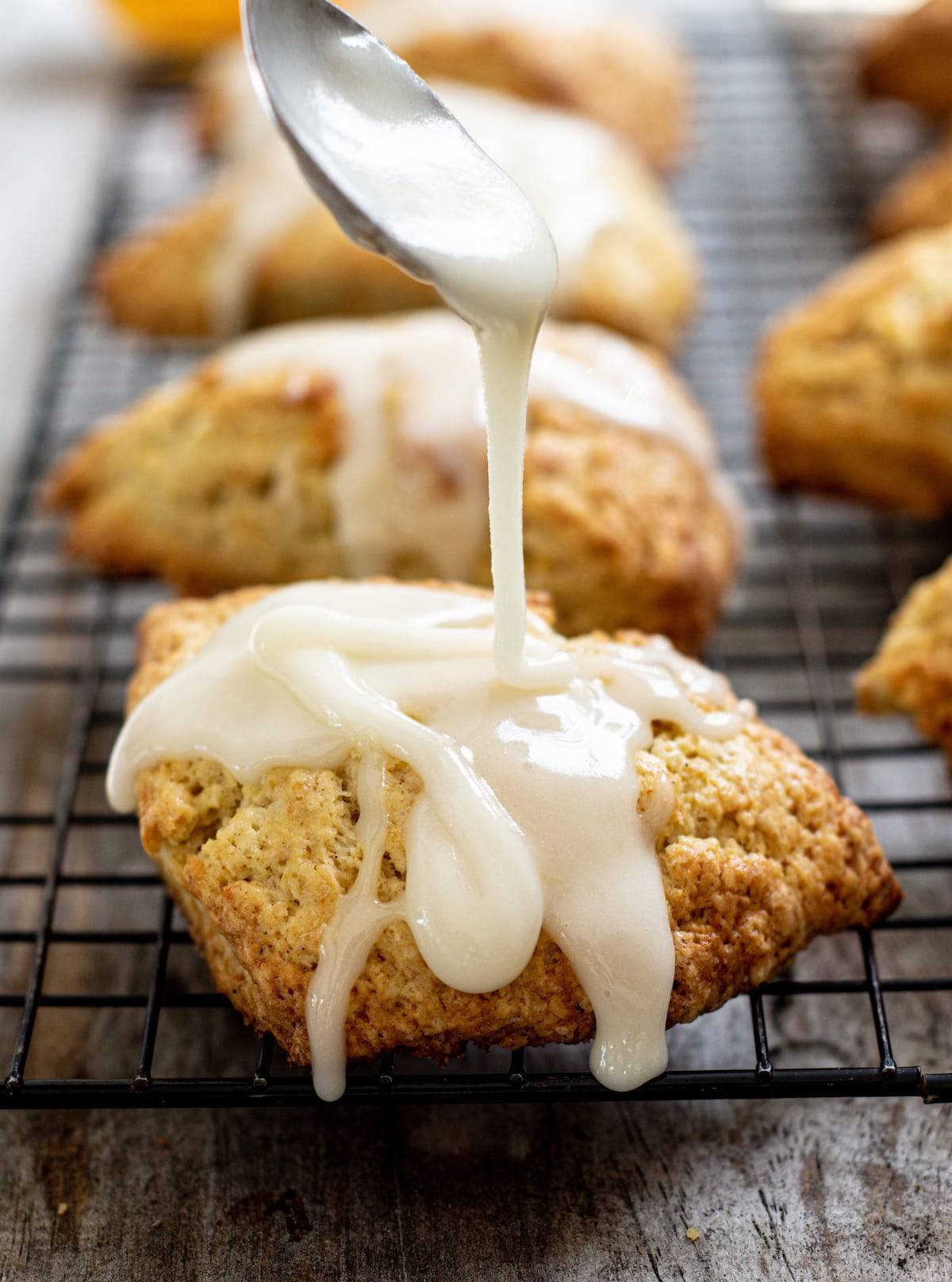
- After a 10-minute cool, drizzle orange glaze on top.
Tips
Related recipes
If you love scones, here are a few more to try:
- Easy cheese scones for a savory, flaky version with cheddar and chives.
- Sourdough cheese scones if you have sourdough discard to use up.
- Apple bread with cinnamon glaze for another easy bake with a sweet glaze.
- Pumpkin coffee cake muffins for a cozy breakfast treat.
Orange Cardamom Scones
Equipment
Ingredients
Scones
- 100 g granulated white sugar
- Zest of 1 orange
- 250 g all-purpose flour
- 2 teaspoons baking powder
- 3/4 teaspoon ground cardamom
- ½ teaspoon salt
- 113 g unsalted butter cold, cut into small cubes
- 120 g buttermilk plus more for brushing
- 1 teaspoon vanilla extract
- 1 large egg
Orange Glaze
- 120 g powdered sugar
- 1-2 tablespoons fresh orange juice.
Instructions
- Add the orange zest and granulated sugar to a large mixing bowl. Use your fingers to rub the zest into the sugar until the sugar is fragrant and slightly damp. This releases the orange oils and distributes the flavor throughout the dough. 100 g granulated white sugar, Zest of 1 orange
- Add the flour, baking powder, cardamom, and salt to the bowl. Whisk to combine. 250 g all-purpose flour, 2 teaspoons baking powder, 3/4 teaspoon ground cardamom, ½ teaspoon salt
- Chop the cold butter into small cubes and add it to the dry ingredients. Use a pastry cutter to cut the butter into pea-sized crumbs. The pieces should stay cold and not melt into the flour. 113 g unsalted butter
- In a small bowl, whisk the buttermilk, vanilla, and egg with a fork. Make a well in the center of the dry ingredients and pour in the buttermilk mixture. Stir with a fork until just combined. The dough will be slightly sticky and a little crumbly. It should hold together when pressed. If it's too dry, add a small splash more buttermilk. Do not overwork the dough. 120 g buttermilk , 1 teaspoon vanilla extract, 1 large egg
- Tip the dough onto a lightly floured surface. Fold it over once or twice to bring it together, then gently press it into a ball and flatten into an 8-inch/20 cm disc. Cut the dough into 8 equal pieces.
- Place the scones on a plate and refrigerate for 10 to 15 minutes while you preheat the oven to 400°F/200°C (standard oven). Line a baking tray with parchment paper.
- Place the chilled scones on the lined baking tray, spaced apart. Brush the tops with a little buttermilk and sprinkle with granulated sugar if desired.
- Bake for 18 to 20 minutes, until puffed and golden brown. Remove from the oven and let cool for 10 minutes before glazing.
- For the orange glaze, whisk together the powdered sugar and orange juice in a small bowl. If the glaze is too thin, add a bit more powdered sugar. If too thick, add a splash more orange juice or a little milk or water. Drizzle the glaze over the scones. 120 g powdered sugar, 1-2 tablespoons fresh orange juice.
Notes
- Buttermilk substitute: If you don’t have buttermilk, add 1 tablespoon of lemon juice or white vinegar to 120 g of whole milk. Stir and let it sit for 5 minutes before using.
- Storage: Store cooled scones in an airtight container at room temperature for up to 3 days. They’re best on the day they’re made. Reheat in a 300°F/150°C oven for 5 minutes.
- Freezing: Shaped unbaked scones can be frozen on a tray, then transferred to a freezer bag for up to 2 months. Bake from frozen, adding 3 to 5 extra minutes. Baked scones can also be frozen and thawed at room temperature.
- Don’t overwork the dough. Stir just until the dough holds together. The folds will bring it the rest of the way.
- Use the metric/cups toggle above. Cup sizes are US cups (smaller than metric cups). For best results, weigh your ingredients.




These are the best scones I have ever tasted! Super soft and so much flavor!
I’d like to make a cranberry version…how much dried cranberry could I add? I know cranberry and orange work well together but not sure if the cardamom would work in this combination… should I leave it out?
Thank you!
Hey Claudia, I’d add about 80g (1/2 cup) of dried cranberries. You can keep the cardamom in if you like! Cranberry, orange, and cardamom is a good mix, the cardamom works well with both flavors 🙂
Added just a dash of cinnamon and nutmeg and they turned out phenomenal. Super fluffy and moist, not dense at all